Hasegawa Design

Local environment, landscape and history | Building relationships with urban structures
どまだんシステム|ヒートポンプを利用した温熱システム図

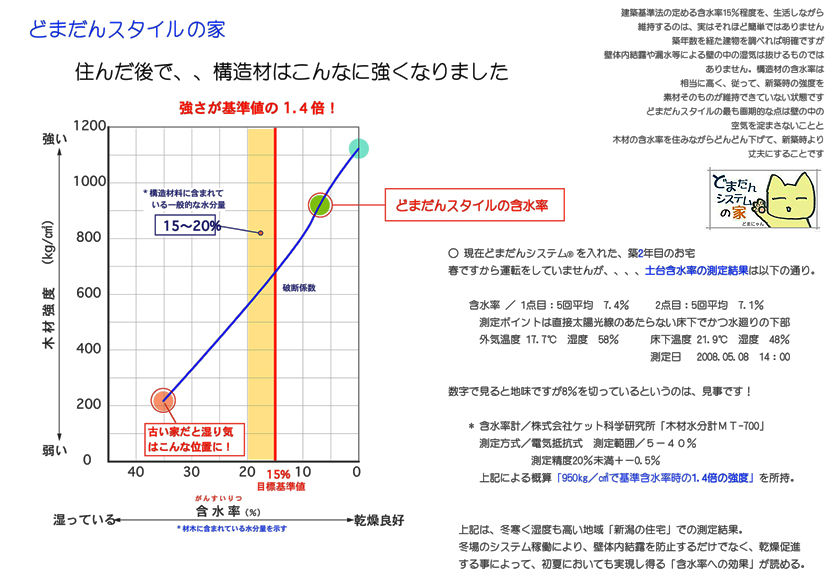
どまだんシステムの効果と空間や材料に与える影響
Correlation with urban structure
The Tokyo Station / Yaesu East area consists of a grid-like urban structure that extends from Edo. The Kajibashi-dori, which runs through the area in a sudden slant, is based on the side road of Hatchobori, which has disappeared due to the debris processing of the war. The origin can be seen by stacking Edo old maps. Along with the Echizen excavation (Kameshima River) that remains in front of the project site, here Shinkawa has the uniqueness of the town during the Edo period.
Correlation with urban structure
The Tokyo Station / Yaesu East area consists of a grid-like urban structure that extends from Edo. The Kajibashi-dori, which runs through the area in a sudden slant, is based on the side road of Hatchobori, which has disappeared due to the debris processing of the war. The origin can be seen by stacking Edo old maps. Along with the Echizen excavation (Kameshima River) that remains in front of the project site, here Shinkawa has the uniqueness of the town during the Edo period.

Correlation with urban structure
The Tokyo Station / Yaesu East area consists of a grid-like urban structure that extends from Edo. The Kajibashi-dori, which runs through the area in a sudden slant, is based on the side road of Hatchobori, which has disappeared due to the debris processing of the war. The origin can be seen by stacking Edo old maps. Along with the Echizen excavation (Kameshima River) that remains in front of the project site, here Shinkawa has the uniqueness of the town during the Edo period.
Correlation with urban structure
The Tokyo Station / Yaesu East area consists of a grid-like urban structure that extends from Edo. The Kajibashi-dori, which runs through the area in a sudden slant, is based on the side road of Hatchobori, which has disappeared due to the debris processing of the war. The origin can be seen by stacking Edo old maps. Along with the Echizen excavation (Kameshima River) that remains in front of the project site, here Shinkawa has the uniqueness of the town during the Edo period.

旧い木造建物の湿ってカビて弱体化した構造を → 健康で丈夫に蘇生する発明が認められました。
これからたくさんの建物を治療すべくプロジェクトを開始しました!
特許第6422654号|どまだんを用いた木造の改修システムとして
どまだんシステム| 商標登録第4568567号
Correlation with urban structure
The Tokyo Station / Yaesu East area consists of a grid-like urban structure that extends from Edo. The Kajibashi-dori, which runs through the area in a sudden slant, is based on the side road of Hatchobori, which has disappeared due to the debris processing of the war. The origin can be seen by stacking Edo old maps. Along with the Echizen excavation (Kameshima River) that remains in front of the project site, here Shinkawa has the uniqueness of the town during the Edo period.
Local environment, landscape and history | Building relationships with urban structures

※クリックで画像は拡大します

※クリックで画像は拡大します
住まいの温熱環境と【健康】との関係を解説しています。2014年10月|2面にわたる大特集。

インスタグラムで多くの共感をいただきました。専門的なお知らせですが温熱環境への感心の高さが伺えます。

専門誌メディア
どまだんシステム|エコであることは住宅を変えるか|2009年|専門誌・新建築|エコイズム特集

どまだんシステム|温熱環境と空間|2005年|専門誌・新建築|システムのしくみと効果を生む原理について


どまだんシステム|住むための温熱技術|2003年|専門誌・新建築|結露防止に導くメソッド

どまだんシステム|風土性と呼応する温熱環境|2002年|専門誌・住宅建築

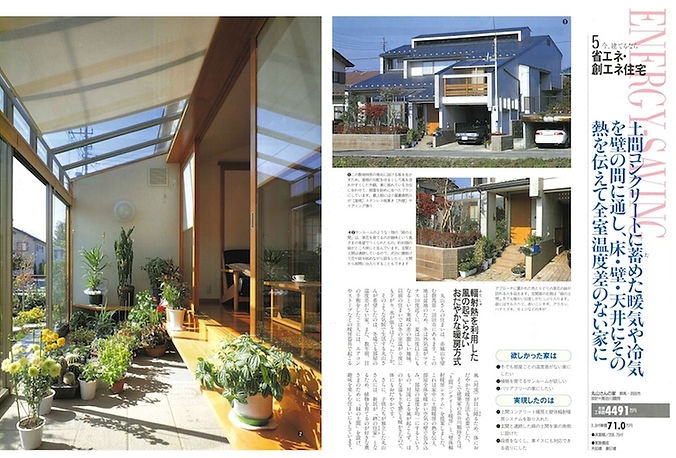
どまだんシステム|省エネ・創エネ住宅|2000年|一般住宅誌・住まいの設計

Correlation with urban structure
The Tokyo Station / Yaesu East area consists of a grid-like urban structure that extends from Edo. The Kajibashi-dori, which runs through the area in a sudden slant, is based on the side road of Hatchobori, which has disappeared due to the debris processing of the war. The origin can be seen by stacking Edo old maps. Along with the Echizen excavation (Kameshima River) that remains in front of the project site, here Shinkawa has the uniqueness of the town during the Edo period.
Correlation with urban structure
The Tokyo Station / Yaesu East area consists of a grid-like urban structure that extends from Edo. The Kajibashi-dori, which runs through the area in a sudden slant, is based on the side road of Hatchobori, which has disappeared due to the debris processing of the war. The origin can be seen by stacking Edo old maps. Along with the Echizen excavation (Kameshima River) that remains in front of the project site, here Shinkawa has the uniqueness of the town during the Edo period.